When clients come to me for guidance, one of the first things I do is a nutritional assessment. I often start with a simple question: “What foods and fluids do you consume on a typical day?” This opens the door to conversations about common culprits like sodas, alcohol, fruit juices, and smoothies. Lately, another player has entered the chat: water — specifically, the plastic it’s stored in.
The Problem with Bottled Water
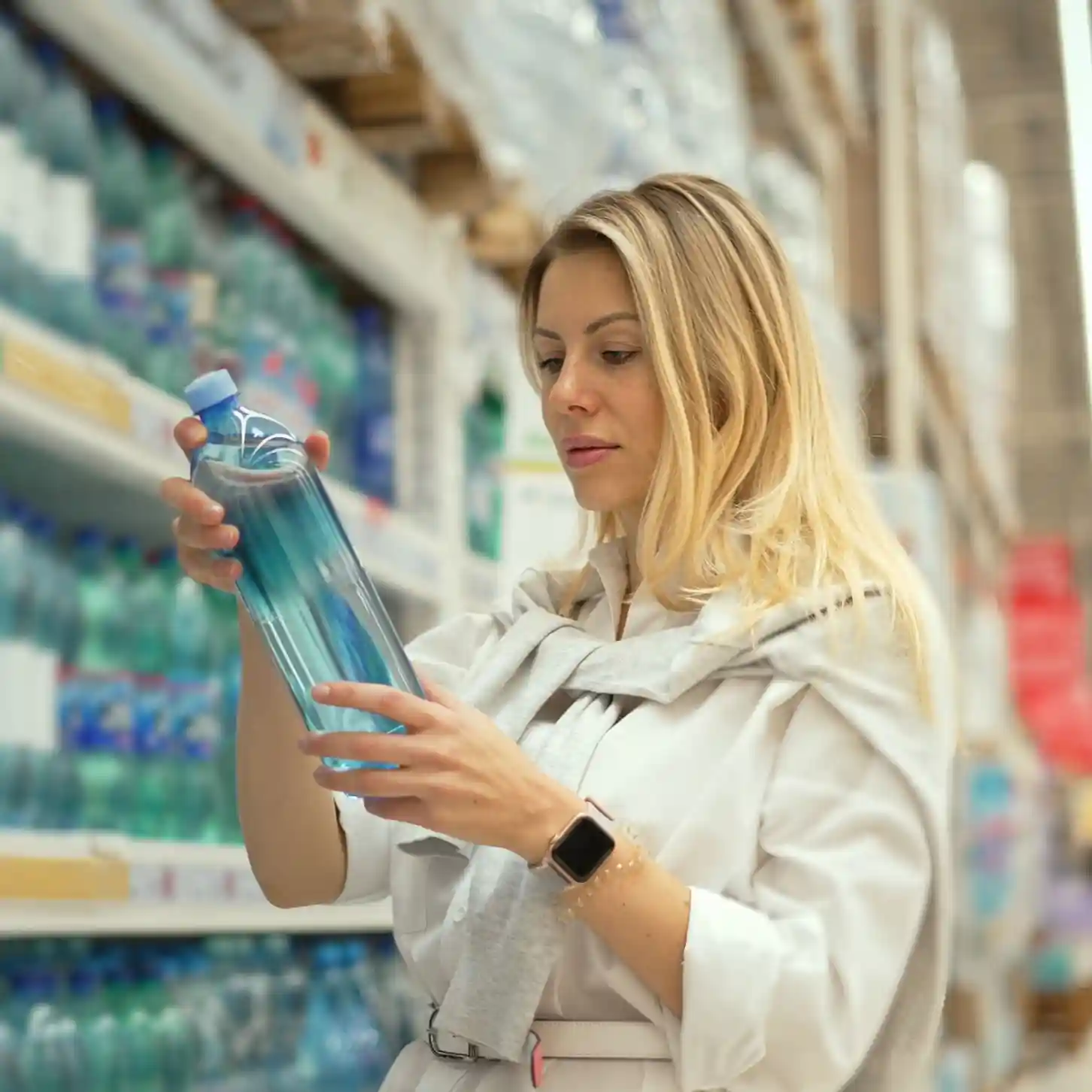
The belief that “you get what you pay for” doesn’t always hold up—especially when it comes to bottled water. In fact, tap water is often the safer, more reliable option. Research published by the NIH (January 2024) found that bottled water contains an average of 240,000 microplastic particles per liter. That number climbs even higher for refillable PET plastic bottles.
What Are Microplastics Doing to Us?
Microplastics have been detected in nearly every system of the human body—from the cardiovascular to the reproductive—and have been found in breast milk, semen, stool, and urine (J Global Health, August 2024). It’s an unsettling reminder that our hydration habits matter more than ever.
Back to Basics
Don’t panic—just pivot. The best way to reduce microplastic exposure is to keep it simple: opt for food and drink in their most natural forms. Tap water generally contains fewer microplastics than bottled, and reusable containers made of glass or metal are a smart switch. Rediscover the water fountain (just… maybe don’t put your mouth on the spout!).